

Phil Galfond Net Worth 2026: $12M-$20M, 3 Bracelets & Run It Once
Phil Galfond’s net worth is estimated between $12 million and $20 million, built on two decades of high-stakes online cash games rather than tournament results. The figure is an estimate, not a disclosure, and the basis is set out below.
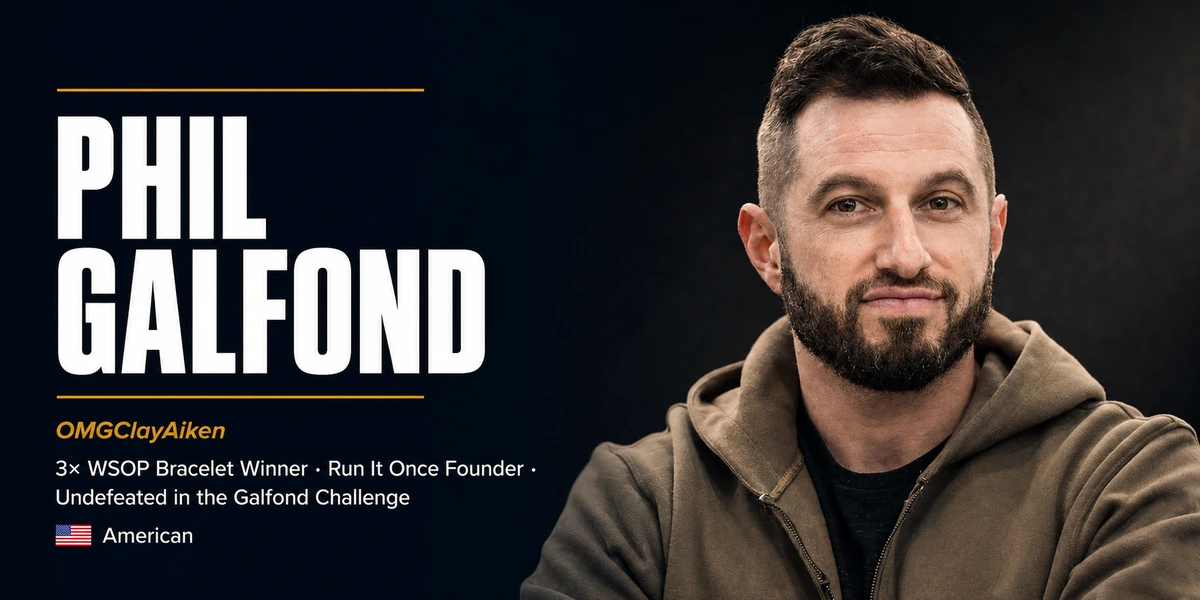
He holds three WSOP bracelets in three different games and $3,126,763 in tracked live earnings, a modest live record for a player rated this highly.
That gap is the point. Galfond built his reputation as OMGClayAiken at the biggest Pot-Limit Omaha tables Full Tilt Poker ever spread, not in tournament fields.
This profile covers his verified earnings, the full Galfond Challenge ledger, what happened to Run It Once, and where he sits with the Poker Hall of Fame after being shortlisted once and dropped.
At 41, he plays selectively and spends most of his time coaching. His last recorded live cash came in August 2025.
Below you will find quick facts, a net worth breakdown with its basis, his bracelet record, a match-by-match Challenge table, and answers to the questions people actually search.
Player Quick Facts
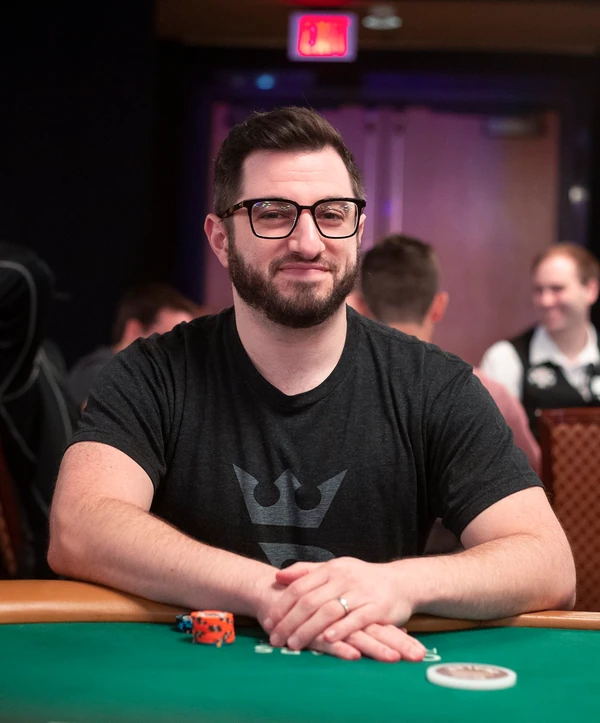
- Full Name: Philip Galfond
- Online Aliases: OMGClayAiken (Full Tilt Poker), MrSweets28 (PokerStars), Jman28 (Two Plus Two)
- Born: January 16, 1985 (age 41)
- Nationality: American
- Hometown: Montgomery County, Maryland
- Residence: Las Vegas, Nevada
- Education: University of Wisconsin-Madison (left before graduating to play poker full-time)
- Net Worth (Estimate): $12 million to $20 million
- Live Tournament Earnings: $3,126,763 (41 cashes, per Hendon Mob)
- WSOP Bracelets: 3 (31 WSOP cashes, 11 final tables)
- Primary Formats: High-stakes Pot-Limit Omaha cash games, heads-up, mixed games
- Known For: Undefeated across every completed Galfond Challenge match; founder of Run It Once; widely rated the best PLO player of all time
- Current Sponsor: BetRivers Poker
Phil Galfond's Net Worth
Phil Galfond has never disclosed his net worth. The range on this page is built from components we can point at, not a number lifted from another site.
The starting point is his own. Beyond The Game, the coaching programme he runs and writes the copy for, states he has earned over $15 million online and live across roughly twenty years.
How much is Phil Galfond worth?
That figure is gross poker winnings, not net worth. Two decades of US tax, living costs and one loss-making poker site sit between the two figures.
Against that, he sold a business and still owns another. The range below reflects both sides.
Where does Phil Galfond’s money come from?
Five streams, in rough order of size:
- Online cash games (largest, partly tracked): His net online profit passed $8 million by May 2011 and kept climbing through the Full Tilt years. Tracked data captures observed tables only, so the real figure is higher.
- Live tournaments (fully verifiable): $3,126,763 in gross payouts across 41 cashes. Gross, not profit: buy-ins, travel and staking splits come out of that.
- The Run It Once Poker sale (reported): Rush Street Interactive acquired the platform and the development team in March 2022 for a reported $5.8 million in cash and acquirer stock.
- Run It Once Training (undisclosed): A subscription business he founded in December 2012 and still owns, now carrying more than 9,500 videos and a coaching roster built over a decade.
- Coaching and courses (undisclosed): Beyond The Game runs as a year-long programme now in its third season, alongside individual courses sold outright.
Only one of those five is fully auditable. The largest is the least documented, which is why a range beats a point estimate here.
What reduces the figure
Most published net worth numbers add income and stop. These are the deductions that matter:
- Two decades of US tax on gross winnings, applied at the top marginal rate for most of his earning years.
- Roughly $1.5 million exposed at Black Friday, split between funds locked on Full Tilt and money already lost there.
- Six years of venture capital absorbed by Run It Once Poker between the 2016 announcement and the 2022 sale, with no revenue for most of it.
- A part-stock sale price, meaning the $5.8 million figure was never $5.8 million in hand.
For context, our range places him below Doug Polk, whose training brand exit was larger, and above Tom Dwan, another Full Tilt nosebleed regular of the same era. Both comparisons hold up on the same methodology.
Figures published elsewhere range from $1.5 million to $30 million. The low ones are stale scrapes and the high ones assume the Run It Once sale was worth several times what the buyer reported.
Early Career & Online Rise
Galfond started playing while enrolled at the University of Wisconsin-Madison. He began as a sit-and-go specialist, grinding the $5 and $10 levels and moving up as he beat them.
By the time he was clearing the $30 games he took a break from study to play professionally. He never went back to finish the degree.
What was Phil Galfond’s screen name?
He played as OMGClayAiken on Full Tilt Poker and MrSweets28 on PokerStars. On the Two Plus Two forums he posted as Jman28.
The Full Tilt name was deliberate. He picked something opponents would be embarrassed to lose to, against a field of screen names trying to sound intimidating.
- Sit-and-go specialist: Started at the $5 and $10 levels while enrolled at the University of Wisconsin-Madison, then climbed to $30 and beyond.
- Left school: Once he was beating the $30 levels he took a break from study to play professionally, and did not return.
- Switched to cash games: Made the move while still in college, after a summer in Las Vegas with other online grinders.
- First live cash: $22,895 at a WSOP Circuit event in Tunica in 2006.
- Switched to Omaha: After years as a No-Limit professional he moved to Pot-Limit Omaha, the game that made his name.
A four-part documentary ranked among poker’s best traces the arc: a $100 deposit turned into $100,000 by his junior year, then past $1 million two years after he went full-time.
By 2008 he was playing $200/$400 and above in No-Limit Hold’em and Pot-Limit Omaha against the strongest lineups online.
How did Black Friday affect him?
When US online poker collapsed on 15 April 2011, Galfond moved to Vancouver so he could carry on playing online. The day that reshaped American online poker forced that choice on every US-based professional.
His tracked online profit had already passed $8 million by May 2011, making him one of the most successful internet players of the era.
Relocating preserved the career. Players who could not or would not move lost their main income overnight.
Phil Galfond's Tournament Career
His tracked live tournament earnings run to just over $3.1 million across 41 cashes, per The Hendon Mob. That places him 951st on the all-time money list.
For a player rated among the best alive, that is a small number. It is small because he has never been a tournament professional and has never pretended otherwise.
Almost all of it comes from one series. $2,964,055 of his live total was won at the World Series of Poker, across 31 cashes and 11 final tables.
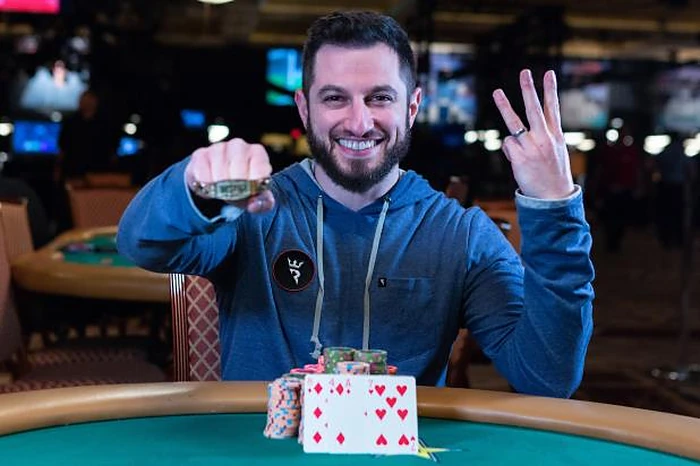
How many WSOP bracelets does Phil Galfond have?
Three. What makes the record unusual is not the count but the spread: each one came in a different game.
Complete bracelet list
| # | Year | Event | Buy-in | Prize |
|---|---|---|---|---|
| 1 | 2008 | Pot-Limit Omaha with rebuys | $5,000 | $817,781 |
| 2 | 2015 | No-Limit 2-7 Single Draw Championship | $10,000 | $224,383 |
| 3 | 2018 | Pot-Limit Omaha Hi-Lo 8 or Better Championship | $10,000 | $567,788 |
Pot-Limit Omaha, a draw lowball variant and a split-pot game. Very few players hold bracelets across three formats that share so little.
What is Phil Galfond’s biggest tournament win?
His career-best cash is $817,781, won in the 2008 Pot-Limit Omaha rebuy event. Eighteen years later it still tops his list.
The final table he beat is the reason that win is still cited. It included Phil Hellmuth, Daniel Negreanu, John Juanda, Johnny Chan, David Benyamine and Brian Rast, with Adam Hourani the last man standing opposite him.
His 2018 title came through a 237-entrant field, with Michael McKenna finishing second for $350,922. The 2015 lowball championship drew 77 entries.
He also finished runner-up in the 2013 $25,000 six-handed No-Limit Hold’em event for $744,841, his second-largest live score and the closest he has come to a fourth bracelet.
His most recent cash tells the same story about format. In August 2025 he reached the semi-finals of the revived National Heads-Up Poker Championship for $150,000, losing to eventual winner Sam Soverel after leading the match early.
That event returned in a full 64-player bracket the following year. When Galfond does play live now, it tends to be one-on-one.
Cash Game Career
This is the real career. Galfond’s standing in poker was built at online cash tables between roughly 2006 and 2012, when the biggest games in the world ran on Full Tilt Poker.
He played them as OMGClayAiken, and for several years he was among the two or three most feared Pot-Limit Omaha players on the internet.
- Stakes: $200/$400 and above in No-Limit Hold'em and Pot-Limit Omaha, moving into the largest games either site spread.
- Sites: Full Tilt Poker as OMGClayAiken, PokerStars as MrSweets28.
- Peak game: Heads-up and short-handed Pot-Limit Omaha, where he built the reputation that still defines him.
- Tracked profit by May 2011: Over $8 million net, one of the highest recorded totals in internet poker at that point.
- Best single year: 2008, which the documentary on his career puts at roughly $8 million won online.
Patrik Antonius at the same nosebleed tables was one of a small group of regulars who could sit in those games and survive them.
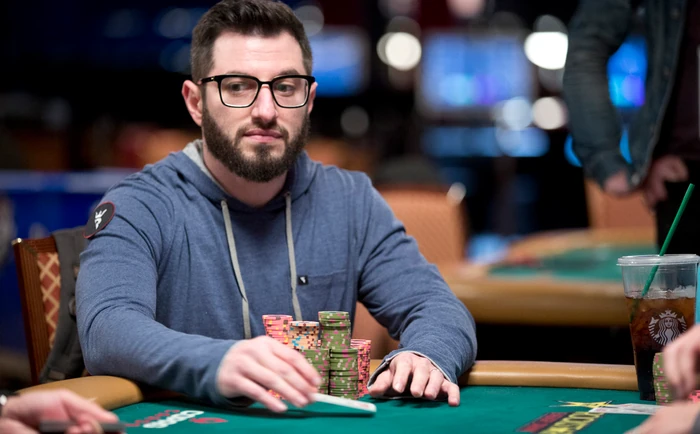
The switch that made him is worth understanding. He came up as a No-Limit player and moved to the four-card game he went on to master after years of hold’em success.
That is harder than it sounds. The two games reward opposite instincts, and the gap between them trips up most converts who try to carry hold’em habits across.
That caveat matters more for Galfond than for most. A large share of his career was played after the tracking era peaked, and much of his recent volume has been in matches arranged privately rather than in public lobbies.
The Galfond Challenge
On 19 November 2019 Galfond posted an open challenge to the poker world. Heads-up Pot-Limit Omaha, 50,000 hands, $100/$200 or higher, and he would lay 3:1 on a side bet of ten buy-ins.
Coaches at rival training sites got first refusal. The format was borrowed openly from the durrrr Challenge, and Tom Dwan’s unfinished version of it was the cautionary tale everyone had in mind. For the full record of both legs, see why the durrrr Challenge never finished.
He was 34, several years removed from the biggest games, and facing a generation that had grown up on solvers. His stated motive was proving he still belonged at that level.
The full match ledger
| Opponent | Stakes | Hands | Side bet | Result |
|---|---|---|---|---|
| VeniVidi1993 | €100/€200 | 25,001 | €200,000 v €100,000 | Galfond +€1,671.58 |
| ActionFreak | €150/€300 | 15,011 | €150,000 even | Galfond +€114,765.66 |
| Chance Kornuth | $100/$200 | 25,400 of 35,000 | $1,000,000 v $250,000 | Galfond +$726,500, conceded |
| Brandon Adams | $100/$200 | Live, then online | $100,000 | Galfond +$270,000, conceded |
| Bill Perkins | $100/$200 | ~1,000 of 50,000 | $1,000,000 v $250,000 | Unfinished, Galfond ahead |
| Dan Cates | $10/$20 | ~2,250 of 7,500 | Not disclosed | Unfinished, Galfond behind |
Did Phil Galfond win the Galfond Challenge?
He is undefeated in every match that reached its agreed finish. Four completed or conceded, four wins, and every side bet collected.
Two never finished. The Perkins match stalled after around a thousand hands and the Cates match was paused with Galfond roughly $77,500 down. Neither is a win.
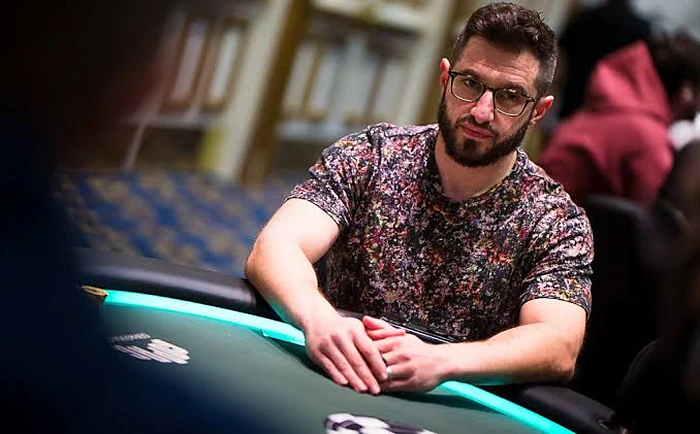
How far behind was Galfond against VeniVidi1993?
This is the match people remember. After the fifteenth session on 9 February 2020 he was €900,240.17 down and had won only two sessions out of fifteen.
He suspended the match for over two weeks. The comeback began with a session he won for €183,481.38, and it did not stop.
Across 39 sessions he clawed the whole deficit back. With 698 hands left he still trailed by €8,171.67, took the decisive pot with 75 hands remaining, and folded the rest out.
Final margin: €1,671.58 across 25,001 hands. After a €900,000 swing he won by less than nine big blinds, and collected the €100,000 side bet.
The other matches
Bill Perkins was the first to accept, which got the series moving, though his match was the one that never reached a conclusion.
Against ActionFreak he led by more than €400,000 at one stage, lost a six-figure final session, and still finished ahead by €114,765.66 plus the side bet.
The Kornuth match was the hardest. Kornuth built a commanding mid-match lead of more than $220,000 at one point, having entered as a heavy underdog.
Galfond then ran him down. Kornuth conceded with 9,600 hands unplayed, $726,500 behind, having sold a package to investors against the million-dollar side bet.
The Adams match was the only one played in person, at a live table in Las Vegas. A dispute over time-bank use sent the last 236 hands online, and Adams conceded $270,000 down.
Not every announced opponent made it to the table. One opponent withdrew before a hand was dealt, which is why the announced list and the played list differ.
Run It Once & Business Ventures
Galfond has built two companies under the Run It Once name. One is still his. The other was sold and now trades under a different brand.
Is Run It Once Training still running?
Yes. He launched it in December 2012 with Ben Sulsky and the Dang brothers among the first coaches, and it remains in operation under his ownership.
By September 2019 more than 125 coaches had produced content for it. The library now runs past 9,500 videos, with new bootcamps and courses still shipping.
What happened to Run It Once Poker?
The real-money site was a separate project. He announced it in August 2016 and opened public beta in February 2019, built around a single idea: protect the recreational player and the games stay good.
- Splash the Pot: Random pot boosts funded from rake, returning value at the table rather than through a loyalty scheme.
- Anonymous tables: No fixed screen names, which killed the tracking software that lets professionals target weaker players.
- No HUDs: Heads-up displays were blocked by design rather than discouraged in the terms.
- Low rake: Positioned explicitly against the incumbents on price, at a time when rake increases were the industry norm.
A direct pitch aimed at PokerStars regulars was part of the launch strategy, arguing that a smaller site meant a softer game.
It did not work commercially. Liquidity never reached the level the model needed, and international operations closed in January 2022.
Rush Street Interactive acquired the platform and the development team, announced in March 2022, for a reported $5.8 million in cash and acquirer stock. Galfond went with it, and the software resurfaced as BetRivers Poker in Pennsylvania on 31 October 2024.
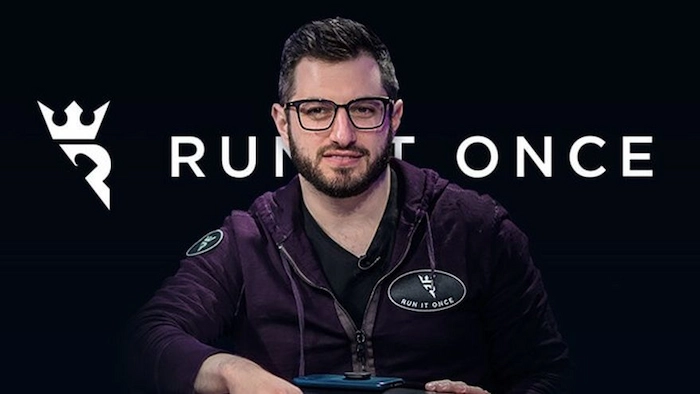
He is an ambassador there now rather than the owner. How the no-rake model has performed since is the more interesting question, because the ideas outlived the company that could not monetise them.
The heads-up Legends Showdown he hosted showed the other side of the project. Run It Once ran events as broadcast content, not just as a lobby, and that instinct for poker as a spectacle fed straight into the Challenge.
He is not the only pro to build a training brand and sell it. Doug Polk took a similar route to exit, though the businesses and the terms differed.
Run It Once Training remains his, and remains the larger of the two businesses in practice. What he built there now runs alongside a separate coaching operation and a free newsletter.
Playing Style
Galfond is regarded by a broad section of the poker community as the strongest Pot-Limit Omaha player the game has produced. The reputation rests on how he thinks, not on how he acts at the table.
- Blocker-led thinking: His Omaha reputation is built on reading which hands his own cards make impossible, not on raw aggression.
- Sizing discipline: He built much of his edge from bet sizes that made opponents' decisions awkward at every street.
- Format flexibility: Three bracelets in three games, and a heads-up record that holds up against specialists.
- Teaching instinct: He has produced hundreds of training videos and describes himself first as a teacher.
- Mental game focus: He credits structured work on tilt and downswings as central to his return to top-level play.
Where does he stand on solvers?
He arrived at solvers late, having spent years beating opponents who already used them. His public position now treats solver output as a baseline to deviate from rather than a script to follow.
That thinking became a course. Simplifying Solvers, released in November 2025, sets out the system he used to get back to the top after feeling left behind by the technology.
For readers who want the underlying method, studying with solvers without drowning in them covers the same ground from a practical angle.
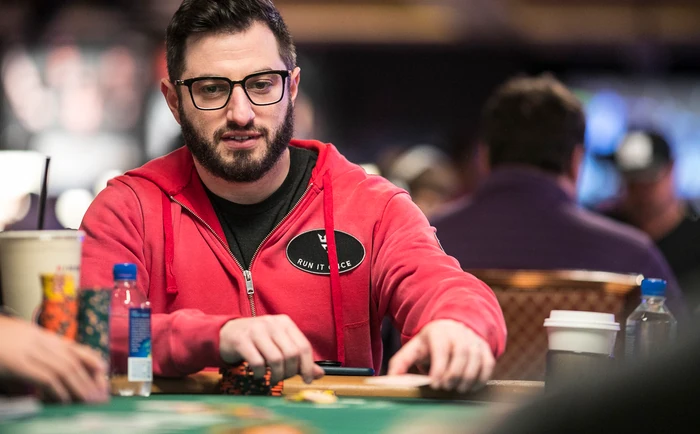
The mental side matters as much to him. Talking openly about the downswing mid-Challenge, he described having to decide whether to continue at all.
That candour is unusual at his level and is part of why peers rate him. Very few high-stakes players discuss being nearly a million euros down while it is still happening.
Controversies & Advocacy
Galfond has almost no personal controversy attached to him. What he does have is a record of putting himself into other people’s, usually on the side of game integrity.
- The Postle affair: Ran his own investigation, and Run It Once was later named in a $330 million defamation suit that was dropped.
- Cheating bans: Argued publicly for long bans rather than quiet exclusions for the game's most serious offenders.
- The 2025 tax fight: Became the most quoted opponent of the 90% loss deduction cap, and was cited across national news coverage.
- Where he took criticism: The Brian Hastings hire, which other professionals argued sat badly against his integrity record.
The Postle affair
After the Mike Postle cheating scandal ended without resolution, Galfond ran his own investigation, which went considerably further than public commentary.
It came at a cost. In October 2020 Run It Once was among several parties named in Postle’s $330 million defamation lawsuit, which was later dropped.
The Hastings hire
He has taken criticism too. Criticism over a coaching roster decision followed his addition of Brian Hastings to the Run It Once Elite team.
The objection was consistency: a man who campaigns on integrity hiring a coach other professionals regarded as compromised. He did not reverse the decision.
The 2025 gambling tax fight
In July 2025 he became the most quoted voice against a provision in the One Big Beautiful Bill Act that capped gambling loss deductions at 90% from 2026.
His warning was blunt: the change “would end professional gambling in the US and hurt casual gamblers, too”. He walked through the arithmetic publicly and told people to contact their representatives.
The example he used made it concrete. A professional earning $200,000 on $3 million of winnings and $2.8 million of losses would be taxed as though they had earned $480,000.
Mainstream outlets picked it up within days and he was quoted across national news coverage. A bipartisan effort to reverse the provision followed, and an attempt to pass it by unanimous consent was blocked in the Senate.
Personal Life
Galfond married the actress Farah Fath on 15 May 2015. Their son Spencer was born in December 2018.
He was born in Montgomery County, Maryland on 16 January 1985, attended the University of Wisconsin-Madison, and lived in New York City before Black Friday pushed him to Vancouver. He now lives in Las Vegas.
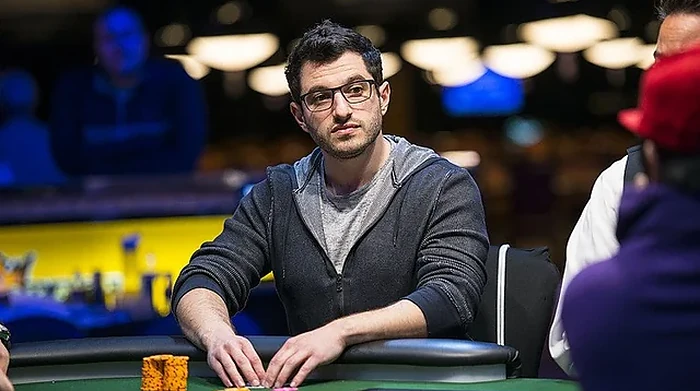
The couple appear together publicly often enough to feature among poker couples with a public profile, though he keeps family matters largely off social media.
Latest News & Updates
Galfond’s 2026 has been built around teaching rather than results. Beyond The Game opened enrolment for its third season in August, now offering six and twelve month terms rather than one fixed programme.
Simplifying Solvers landed through Run It Once Training in November 2025, setting out the system he used to rebuild his game after feeling left behind by solver study. He has kept shipping course and bootcamp content since.
Is Phil Galfond still playing poker?
Yes, but selectively. At 41 his working week is built around coaching and product, with competitive play fitted around it.
- BetRivers Poker ambassador: The role he took after the platform he built relaunched under Rush Street Interactive.
- Beyond The Game: His year-long coaching programme, now in its third season.
- Run It Once Training: Still owned by him, still shipping courses and bootcamps.
- Writing and video: A free newsletter, a YouTube channel and occasional free tools.
- Playing: Selective. His last recorded live cash was in August 2025.
His last tracked live cash was the heads-up championship semi-final covered above, in August 2025. He has not recorded one since, which is a choice rather than a decline.
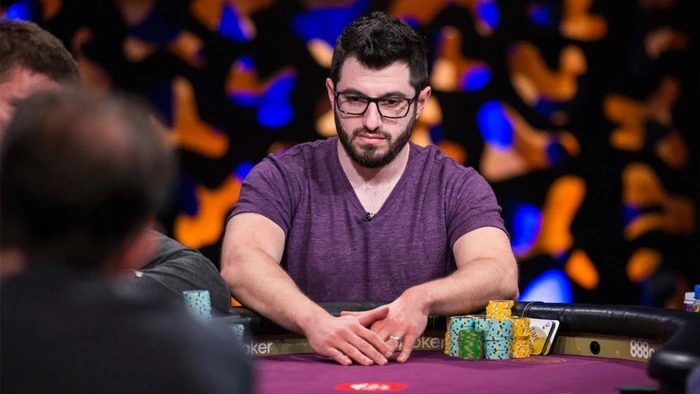
The lighter appearances have kept coming. He played Phil Hellmuth in a short heads-up match on BetRivers in March 2025, and in October agreed terms for a 50,000-hand match against Grok 4 with a $1 million side bet. That match has not been played.
His work with BetRivers Poker continues alongside the teaching. The platform he originally built as Run It Once expanded from Pennsylvania into a four-state network in June 2025, and he has appeared across its streams and podcast output since.
Is Phil Galfond in the Poker Hall of Fame?
No. He turned 40 in January 2025, which made him eligible, and he made the finalist list that year, with Nick Schulman going in as the 2025 inductee.
For 2026 the WSOP named eight finalists on 24 June and Galfond was not among them. Jason Koon went in as the sole inductee.
That is a striking omission for a player this widely rated, and the criteria and the notable omissions explain part of why: the ballot rewards live tournament visibility, which was never his arena.
For the latest results and updates across the poker world, visit our coverage of breaking poker news.
FAQs
Is Phil Galfond the best PLO player of all time?
He is the most common answer to that question among high-stakes players and commentators, though it is an opinion rather than a measurable fact. His case rests on a decade of results in the largest online Omaha games plus an undefeated record across every completed Galfond Challenge match.
What is Phil Galfond's real name?
Philip Galfond. He is listed under that name in tournament records, and played online as OMGClayAiken on Full Tilt Poker and MrSweets28 on PokerStars.
Where is Phil Galfond from?
He was born in Montgomery County, Maryland in January 1985 and attended the University of Wisconsin-Madison. He has lived in New York City and Vancouver, and is now based in Las Vegas.
How old is Phil Galfond?
He is 41, born on 16 January 1985.
Does Phil Galfond still own Run It Once?
He still owns Run It Once Training, the coaching site he founded in December 2012. He does not own Run It Once Poker: that platform was sold to Rush Street Interactive in 2022 and now operates as BetRivers Poker, where he works as an ambassador.
What is Beyond The Game?
A year-long coaching programme he designed and leads for mid and high-stakes players, covering mindset, professional structure and decision-making rather than pure strategy. It opened its third season in August 2026.
Who is Phil Galfond's wife?
Actress Farah Fath, known for roles on Days of Our Lives and One Life to Live. They married on 15 May 2015 and have a son.
Sources & Methodology
This player profile separates verifiable facts from estimates and public claims. We cannot accurately calculate any player’s net worth, but we aim to publish transparent, verifiable information.
How we handle ‘net worth’
Net worth figures for poker players are inherently speculative. We publish a range rather than a single number, explain the inputs that inform it, and flag what cannot be verified.
Galfond’s $12M to $20M range is built from tracked online results, verified live earnings, a reported business sale and two ongoing companies, less tax and the capital absorbed by Run It Once Poker.
How we report earnings
Tournament earnings on this profile are sourced from The Hendon Mob, which tracks live tournament cashes globally. We cite cash counts and earnings totals as gross payouts, not profit.
Online results are only partly public. Tracked data records observed hands at monitored tables, so private games and unrecorded sessions never appear, and any online total is a floor.
How we cover controversies
We report what was alleged, what the player said in response, and where the matter stands. We do not take sides.
Galfond has little personal controversy on the record. Where he has been criticised, as over the Brian Hastings hire, we report the objection and his response without assigning blame.
References
- The Hendon Mob – live tournament earnings, cash count, best cash and all-time money list position
- WSOP.com Player Profile – bracelet count, WSOP cashes, final tables and series earnings
- WSOP.com Event Report – the 2018 Pot-Limit Omaha Hi-Lo Championship result and payouts
- Wikipedia – biography, online aliases, marriage and the Run It Once corporate timeline
- Phil Galfond – his own account of what he is working on now
- Beyond The Game – the career earnings figure and the coaching programme structure
- Run It Once Training – current library size, coaching roster and recent course releases
- CNN – his position on the 2025 gambling loss deduction change
- Phil Galfond on X – current public activity and statements