

Washington DC's online poker and casino bill cleared a Council committee 3-1 on 18 November 2026 and is expected to reach its first full Council vote on 1 December. It needs a second vote by 15 December, or it lapses with the Council period.
The Internet Gaming and Consumer Protection Act of 2026, Bill 26-0656, was introduced by Councilmember Wendell Felder in April. It names poker alongside slots, blackjack and roulette, and it follows what the Texas election changed for card rooms earlier in November.
For poker players, the tax rate is not the main event. DC has fewer than 700,000 people, so a poker room there depends on a clause that would let the District share tables with other jurisdictions.
What the DC Online Poker Bill Would Legalise
Licensed operators could offer real-money online poker and casino games to players aged 21 and over in the District, regulated by the Office of Lottery and Gaming. The committee version sets no cap on the number of licences.
Each operator would pay $2 million for a five-year licence and 25% of adjusted gross gaming revenue in tax. Two further assessments of 2% each would fund community programmes and the regulator.
| Term | Committee version |
|---|---|
| Bill | B26-0656 |
| Sponsor | Wendell Felder (Ward 7) |
| Regulator | Office of Lottery and Gaming |
| Games | Poker, slots, blackjack, roulette, live dealer |
| Gaming tax | 25% of adjusted gross gaming revenue |
| Live dealer tax | 12.5% of live dealer revenue |
| Assessments | 2% community impact, 2% regulatory |
| Licence | $2 million for five years, $1 million renewal |
| Licence cap | None |
| Brands | No more than two per operator |
| Minimum age | 21 |
Operators would also have to run live dealer games from a studio inside DC within a year of being licensed, a condition tied to an estimated 100 union jobs. If the bill passes, DC would become the ninth US jurisdiction to legalise online casino games.

Shared Player Pools Decide Whether DC Poker Works
Section 514 of the committee print would authorise the mayor to enter reciprocal agreements with other jurisdictions. Those agreements could cover pooled liquidity and interstate online poker, as far as federal law allows.
Players would have to be located in DC or a partner jurisdiction. The text does not name the Multi-State Internet Gaming Agreement (MSIGA), the compact that links regulated poker rooms across state lines.
Why 693,645 People Is Not a Poker Market
The US Census Bureau put DC's population at 693,645 on 1 July 2025. MSIGA's six member states, Nevada, Delaware, New Jersey, Michigan, West Virginia and Pennsylvania, reach roughly 38.6 million people between them.
Poker needs opponents at every stake and every hour, which a casino game does not. A stand-alone DC pool would cover under 2% of that combined population. The state-by-state picture of where American players can sit down online today shows those six states pooling their players.
Sweepstakes Sites Would Be Licensed, Not Banned
Felder's original bill banned dual-currency sweepstakes gaming outright. The committee reversed that: qualifying sweepstakes-style games now fall inside the licensing system, under the same tax and consumer rules. Unlicensed sweepstakes products would stay prohibited.
The committee also tightened the player safeguards.
- The minimum age for all gaming except the lottery rises to 21, up from 18 for sports betting, once the change is funded in an approved budget.
- Credit cards are banned as a deposit method.
- Players aged 25 or younger get an alert when their deposits pass $500 in a calendar month.
- Wagering stops when lifetime deposits reach $2,500, until the player acknowledges the threshold and the limit-setting tools.
- Problem gambling funding rises from $500,000 to $750,000 a year.
The Office of Lottery and Gaming could issue cease-and-desist orders to unlicensed and offshore operators, and the attorney general could take them to court.
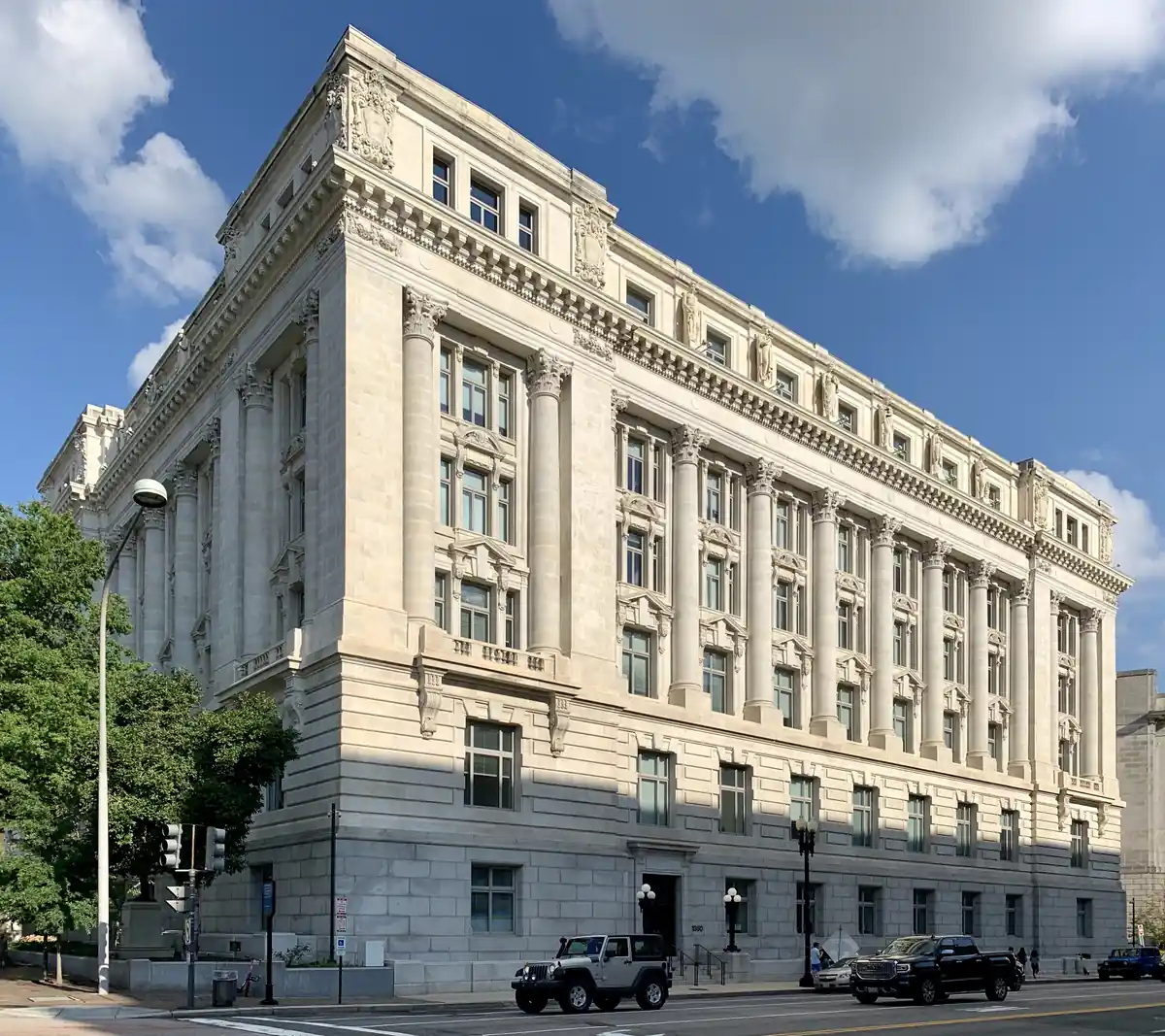
Two Readings in 14 Days: The December Timetable
A DC bill has to pass the full Council twice, with at least 13 days between the two readings. Felder's office expects the first on 1 December. That leaves 15 December, the last legislative meeting of the year, as the only date left for the second.
If both votes succeed, the bill goes to the mayor and then to Congress before it can take effect. The bill's own text sets that review at 60 days.
| Date | Stage |
|---|---|
| 9 April 2026 | Bill introduced |
| 4 May 2026 | Public hearing |
| 18 November 2026 | Committee on Human Services votes 3-1 to advance |
| 24 November 2026 | Council meets, no first reading recorded |
| 1 December 2026 | First reading expected |
| 15 December 2026 | Last legislative meeting, second reading needed |
| 2 January 2027 | Council period ends and unpassed bills lapse |
If it misses the deadline, the bill would have to be reintroduced to a partly new Council and a new mayor in 2027.
The Revenue Case & the No Vote
The committee estimates more than $73 million in revenue over the District's four-year financial plan. Felder has cited a separate analysis that puts tax revenue near $50 million a year.
| Who | Position | Main point |
|---|---|---|
| Wendell Felder, sponsor | Yes | Tax what already happens offshore |
| Matthew Frumin, committee chair | Yes | Close to $1 billion a year wagered on unregulated apps |
| Zachary Parker | Yes | Voted to advance |
| Christina Henderson | No | Addiction risk and bankruptcy rates |
| UNITE HERE Local 25 | Supports | About 100 union jobs |
| National Association Against iGaming | Opposes | Lobbying against the bill |
Matthew Frumin, who chairs the committee, argued that the market already exists and that regulating it beats leaving it unregulated. The single no vote came from Christina Henderson.
What Happens After 1 December
A yes at the first reading keeps the bill alive for the final meeting of the year. A no, or a delay, ends it for this Council period.
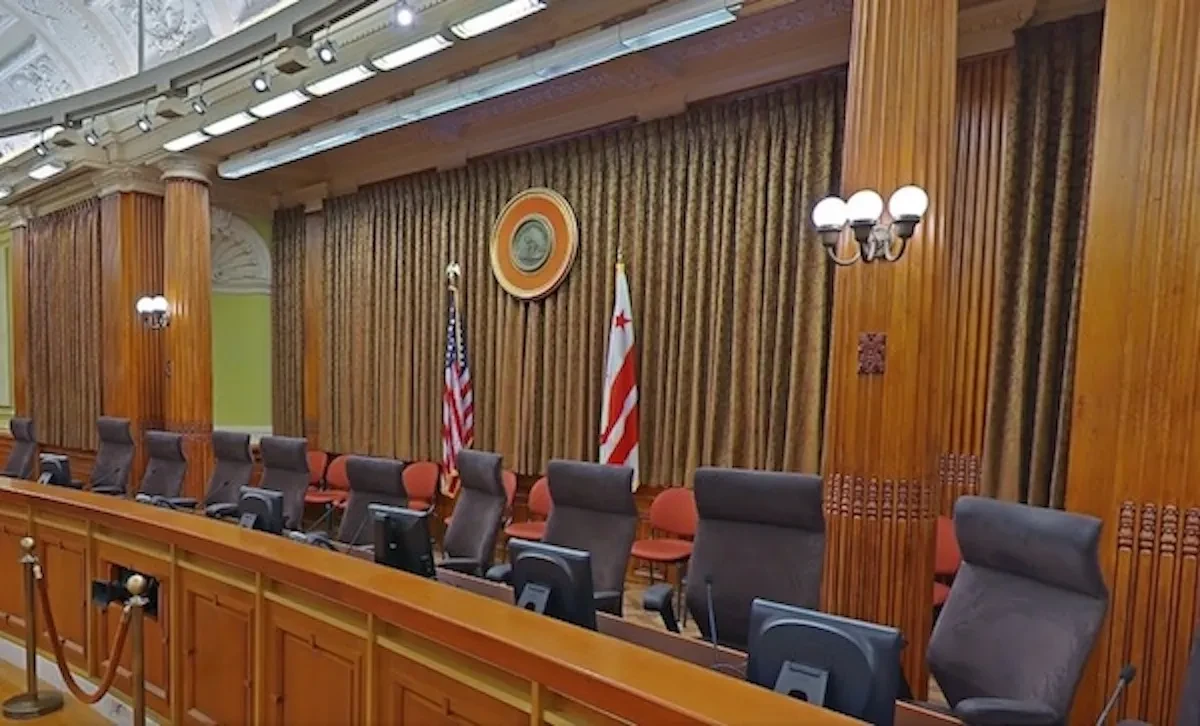
If the bill becomes law, the regulator would have 120 days to open licence applications. Launch must be authorised inside the same 120 days unless the mayor tells the Council more time is needed, which points to 2027.
For poker specifically, the date to watch comes later: the first reciprocal agreement signed under Section 514. Follow the latest poker regulation news for the result of each vote.
FAQs
Is online poker legal in Washington DC?
No. Online poker is not legal in Washington DC yet. Bill 26-0656 would legalise it, but it still needs two full Council votes by 15 December 2026, the mayor's signature and a 60-day congressional review.
When does the DC Council vote on the online poker bill?
The first full Council vote is expected on 1 December 2026, according to the sponsor's office. The second must follow by 15 December, the last legislative meeting of the Council period.
Would DC share poker player pools with other states?
Not automatically. The committee version would authorise the mayor to sign reciprocal agreements covering pooled liquidity and interstate poker, but it does not name the Multi-State Internet Gaming Agreement or commit DC to joining it.
What tax would DC online poker operators pay?
Operators would pay 25% of adjusted gross gaming revenue, plus a 2% community impact assessment and a 2% regulatory assessment. A five-year licence costs $2 million, with renewals at $1 million.
