

Isaac Haxton Net Worth 2026: $30M-$45M, $66.8M Won & First Triton Title
Isaac ‘Ike’ Haxton‘s net worth is an estimated $30M-$45M, built on $66,813,450 in tracked live tournament earnings, sixth on the all-time money list. The 41-year-old New Yorker has 270 recorded cashes, one WSOP bracelet, two Super High Roller Bowl titles and a Triton trophy.
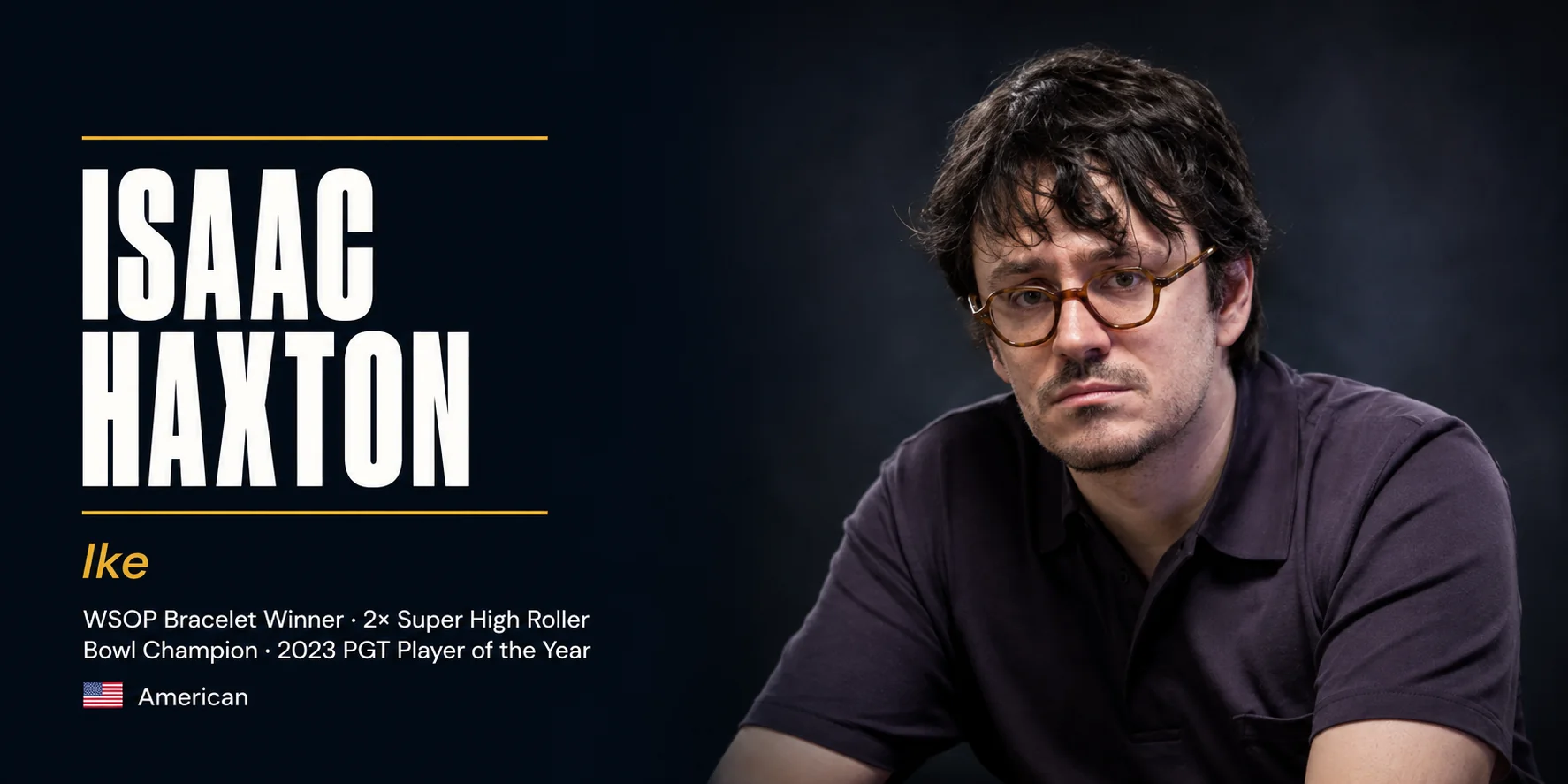
For most of his career the biggest scores were second and third places. Then 2023 delivered seven titles worth close to $17 million, a first bracelet and the PGT Player of the Year award. September 2025 added the Triton title at his 34th final table on that tour.
This profile separates the verified record from the estimate: his Hendon Mob results, the path from chess prodigy and Magic: The Gathering competitor to Brown University dropout, the principled PokerStars exit, the white mask, and his marriage to Zoe Haxton.
Player Quick Facts
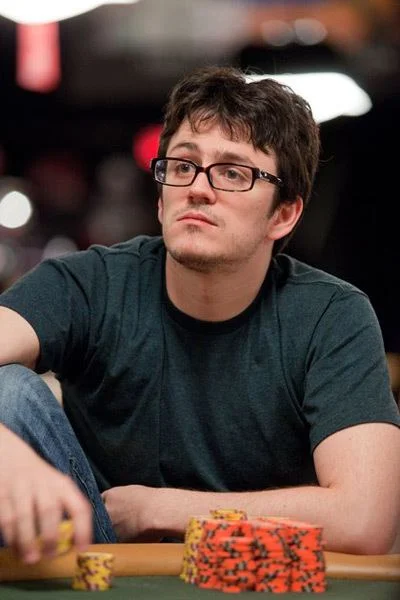
- Full Name: Isaac Blum Haxton
- Nickname: Ike, Hollywood Haxton
- Born: September 21, 1985 (age 41)
- Nationality: American
- Hometown: Syracuse, New York
- Residence: St Julian's, Malta (per Hendon Mob)
- Education: Brown University (Philosophy)
- Married To: Zoe Haxton
- Net Worth (Estimate): $30M-$45M
- Live Tournament Earnings: $66,813,450 (270 cashes)
- All-Time Money List: 6th
- WSOP Bracelets: 1 (2023 $25K High Roller)
- Triton Titles: 1 (2025 $100K PLO Main Event)
- Primary Formats: No-Limit Hold'em, Pot-Limit Omaha
- Known For: Two Super High Roller Bowl titles; 2023 PGT Player of the Year; principled PokerStars exit; the white mask
- Current Sponsor: None (independent since December 2021)
Isaac Haxton's Net Worth
Isaac Haxton’s net worth is an estimated $30 million to $45 million. The range is built from his $66.8 million in tracked live tournament earnings, two known sponsorship deals and reported online winnings, and it is an estimate because no audited figure exists.
That is a wide range, and deliberately so. Nobody outside Haxton’s inner circle knows the real number, and anyone claiming a precise figure is guessing.
What is Isaac Haxton’s net worth?
Isaac Haxton’s net worth in 2026 sits in that same $30M-$45M range. It accounts for $66.8 million in gross live payouts, staking splits at the super high roller level, two known sponsorship deals and online cash game profits.
The lower end assumes heavy staking throughout his career and high annual expenses. The upper end assumes Haxton played mostly for himself, invested wisely and kept a disciplined bankroll.
| Component | What the record shows | Effect on the estimate |
|---|---|---|
| Gross live payouts | $66,813,450 across 270 cashes (Hendon Mob) | The ceiling, not the answer |
| Buy-ins | Around 20 Triton and PGT events per year at $25K to $300K each | Removes $3M or more per year |
| Staking splits | Never disclosed | Widens the range at the bottom |
| Online cash games | More than $2 million in tracked winnings, most of it pre-2011 | Small addition, incomplete data |
| Sponsorships | PokerStars 2012 to 2015, partypoker 2018 to 2021 | Undisclosed salary income |
Why net worth estimates range from $25M to $55M
Several biography and poker media sites list Haxton’s net worth as anywhere from $25 million to $55 million. These figures vary because each source applies different assumptions about staking, expenses and private income.
The core problem is that tracked tournament earnings tell you what a player was paid, not what a player kept. A $3,672,000 Super High Roller Bowl win sounds definitive until you factor in the $300,000 buy-in, potential staking splits, and the dozens of other events that ended without a cash.
Five factors make any poker player’s private net worth unverifiable:
- Private cash games: Haxton has played the biggest cash games in the world, from Macau nosebleed tables to Triton side games. Results from these sessions are never publicly reported.
- Staking and backing: At the super high roller level, buy-ins regularly exceed $100,000. Most players sell action or work with backers, and Haxton has never disclosed his arrangements.
- Tournament expenses: A player competing full-time on the high roller circuit can spend $2M to $5M per year in buy-ins alone. Only gross winnings appear on leaderboards.
- Sponsorship income: Haxton represented PokerStars (2012 to 2015) and partypoker (2018 to 2021). Neither deal's financial terms were made public.
- Investments and lifestyle: Haxton has lived in Malta, Hong Kong and Vancouver over a two-decade career. His investment portfolio, if any, is entirely private.
With those caveats in mind, here is what the public record shows.
What Hendon Mob verifies: $66.8M in live earnings
The one figure we can verify is Haxton’s tracked live tournament earnings. According to the Hendon Mob Poker Database (linked in the References below), Haxton has earned $66,813,450 across 270 cashes, a snapshot taken on 28 September 2026.
That places him sixth on the all-time money list. A $515,000 third place at Triton Jeju II on 6 September 2026 carried him past three-time bracelet winner Justin Bonomo.
| Rank | Player | Live earnings |
|---|---|---|
| 1 | Bryn Kenney | $90,849,210 |
| 2 | Stephen Chidwick | $79,927,052 |
| 3 | Jason Koon | $77,032,156 |
| 4 | Adrian Mateos | $69,854,883 |
| 5 | Mikita Badziakouski | $69,466,521 |
| 6 | Isaac Haxton | $66,813,450 |
| 7 | Justin Bonomo | $65,611,097 |
Source: Hendon Mob all-time money list, 28 September 2026.
His 2023 season alone produced the highest single-year live total of any player that year. Hendon Mob also lists 54 WSOP-branded cashes dating back to 2007, including a runner-up finish in the 2009 $40,000 anniversary event for $1,168,565.
These are gross figures. They do not account for buy-in costs, which at the stakes Haxton plays can exceed $3 million per year in entries alone.
Online winnings, staking and Macau cash games
Haxton built his reputation on the online tables before moving to live. He played under the aliases “luvtheWNBA” and “philivey2694” on PokerStars and Full Tilt Poker during the mid-2000s boom.
His tracked online winnings exceed $2 million, though the full picture is incomplete. Black Friday in April 2011 shut down the US-facing sites and scattered the data.
| Site | Screen name | Era |
|---|---|---|
| PokerStars | luvtheWNBA | Mid-2000s to Black Friday, then Team Online 2012 to 2015 |
| Full Tilt Poker | philivey2694 | Nosebleed cash games at $100/$200 and above |
| partypoker | Ike_Haxton | Sponsored years, 2018 to 2021 |
The figure reflects where his online volume went. Haxton was a cash game regular rather than a tournament grinder, which is why his online total sits far below online MTT specialist Niklas Astedt, whose tracked online cashes reached $48.9 million.
Cash game results from Macau, Manila and the Triton side games are entirely off the record. These sessions involve pots regularly exceeding $1 million, and Haxton has been a consistent participant for over a decade.
Career Earnings & Tournament Results
Isaac Haxton has earned more than $66 million in tracked live tournament cashes, sixth on poker’s all-time money list. His 270 cashes span two decades of play across every major series, and all of his 10 largest results are seven-figure scores.
| # | Year | Event | Result | Prize |
|---|---|---|---|---|
| 1 | 2018 | $300K NLH, Super High Roller Bowl V, Las Vegas | 1st | $3,672,000 |
| 2 | 2025 | $100K PLO Main Event, Triton Jeju | 1st | $2,789,000 |
| 3 | 2023 | $300K NLH, Super High Roller Bowl VIII, Las Vegas | 1st | $2,760,000 |
| 4 | 2014 | A$250K NLH Challenge, Aussie Millions, Melbourne | 2nd | $2,525,841 |
| 5 | 2025 | $100K PLO Bracelet Event #79, WSOP | 2nd | $1,972,860 |
| 6 | 2023 | $25K HR NLH 8-Handed, WSOP (Bracelet) | 1st | $1,698,215 |
| 7 | 2023 | $125K NLH Main Event, Triton London | 4th | $1,582,000 |
| 8 | 2023 | $100K NLH 7-Handed, PCA | 1st | $1,555,360 |
| 9 | 2013 | HK$1M NLH Main Event, Guangdong Asia Millions, Macau | 5th | $1,313,879 |
| 10 | 2023 | $1M Big One for One Drop, WPT World Championship | 4th | $1,224,800 |
Source: Hendon Mob Poker Database, snapshot 28 September 2026. Figures are gross payouts.
Five of the 10 largest results came in 2023, the year Haxton earned the PGT Player of the Year title with four PGT wins among his seven titles.
How many WSOP bracelets does Isaac Haxton have?
Isaac Haxton has one WSOP bracelet, won at the 2023 World Series of Poker in the $25,000 High Roller No-Limit Hold’em 8-Handed event for $1,698,215. He beat a record 301-entry field, the largest $25,000 event the WSOP had ever run, and Ryan O’Donnell heads-up.
- Event: 2023 WSOP Event #16, $25,000 High Roller No-Limit Hold'em 8-Handed
- Field: 301 entries, a record for a $25K WSOP event, for a $7,073,500 prize pool
- Heads-up: beat Ryan O'Donnell, who collected $1,049,577
- Prize: $1,698,215, the sixth-largest cash of his career
For years Haxton was considered the best player never to have won a bracelet. His first WSOP cash came in 2007, and by the summer of 2023 he had more than $37 million in career earnings without the gold.
The bracelet came in the same season he won SHRB VIII, two PCA $100K events and the PokerGO Cup finale. It was the centrepiece of his best year.
Isaac Haxton’s Triton Super High Roller Series record
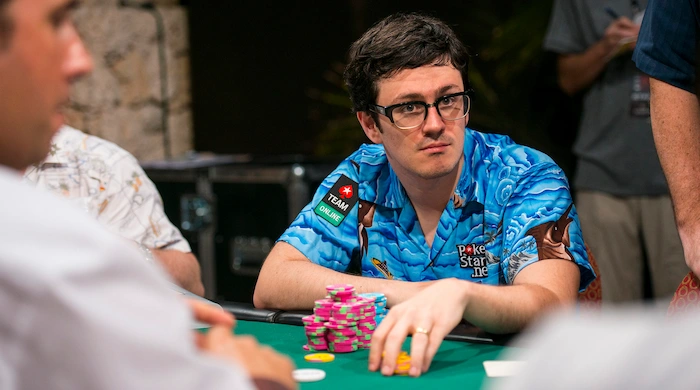
Haxton has been a Triton regular since the series launched in 2016. By September 2025 he had recorded 64 cashes, 34 final tables and six runner-up finishes without a title.
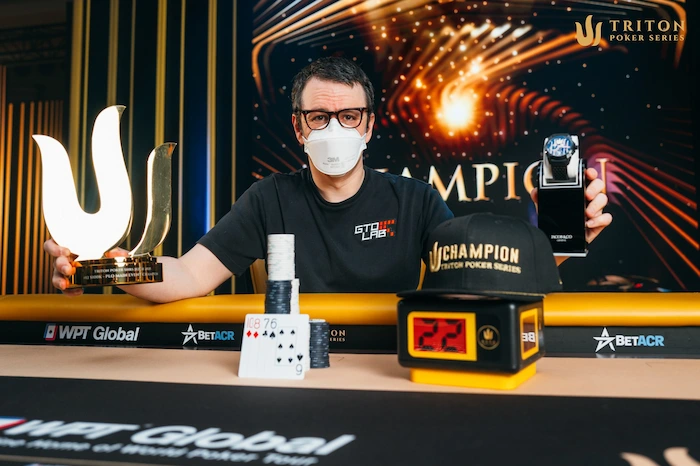
That changed when he won his maiden Triton title in Jeju, the $100,000 PLO Main Event of September 2025, for $2,789,000. He beat Argentine high roller Nacho Barbero heads-up at his 34th Triton final table.
A fifth place worth $392,000 followed days later in a $75K PLO event Joni Joukimainen won. His Triton earnings, roughly $19.5 million at the time of the title, now stand at close to $25 million after 11 Triton-branded cashes in 2026.
From Syracuse to Stakes: Early Life, Education & Games Pedigree
Isaac Blum Haxton was born on September 21, 1985 and raised in Syracuse, New York. His mother is a psychiatrist. His father, Brooks Haxton, is a poet and English professor at Syracuse University who introduced his son to competitive games before the boy could read.
How old is Isaac Haxton?
Isaac Haxton is 41 years old, born on September 21, 1985. He turned professional at 18, meaning he has spent more than two decades in competitive poker. He and Jason Koon, also born in 1985, are two of the most dominant players on the modern high roller circuit.
- Age 4: learns chess and goes on to compete as a youth champion
- Age 10: moves on to Magic: The Gathering and plays competitively through his teens
- Age 18: plays $3/$6 limit hold'em at Turning Stone Casino in Verona, New York
- First deposit: $50 on UltimateBet, the start of his online cash game grind
- Brown University: enrols in computer science, leaves for poker, later completes a Philosophy degree
Chess, Magic: The Gathering and the games pedigree
Haxton learned chess at the age of four and competed as a youth champion. By ten he had moved on to Magic: The Gathering, where he played at a competitive level through his teenage years.
Both games shaped the analytical framework that would define his poker career. Chess taught pattern recognition and long-term planning. MTG taught resource management, risk assessment and reading opponents under incomplete information.
He is not the only elite poker player to have crossed over from competitive card games. All-time earnings leader Bryn Kenney also built his early bankroll through MTG before transitioning to poker.
Did Isaac Haxton go to Brown University?
After high school, Haxton enrolled at Brown University to study computer science. He quickly discovered that the campus poker games paid better than any summer job.
Poker took priority. Haxton left Brown to play full-time, though he later returned and completed a degree in Philosophy. His father’s memoir, Fading Hearts on the River (2015), describes the family tension of watching a gifted student choose cards over academia.
At 18 he began playing $3/$6 limit games at the Turning Stone Casino in Verona, New York. He then deposited $50 on UltimateBet and started grinding the online cash tables.
The Online Grind & the 2007 PCA Breakthrough
From those first online sessions, Haxton’s bankroll grew faster than anyone expected. His mother received a $40,000 bank transfer she knew nothing about: it was her son’s online winnings, deposited into the account he had registered under her name.
By his second year at Brown, Haxton was making more from online cash games than most graduates earn in their first job. He moved from limit to no-limit, quickly rising through the stakes on Full Tilt Poker and PokerStars.
How did Isaac Haxton break onto the live scene?
In late 2006, Haxton won a $10,000 PCA package through a $170 online satellite on PokerStars. The PokerStars Caribbean Adventure in January 2007 was his first major live tournament.
The 21-year-old outlasted a world-class field to reach the heads-up final against Ryan Daut. He lost, but collected $861,789: proof that his online game translated to live play.
- Qualifier: a $170 PokerStars satellite won in late 2006
- Package: $10,000 seat in the PCA Championship Event, January 2007
- Result: runner-up to Ryan Daut for $861,789 at age 21
- What it proved: an online cash game specialist could beat a live field
From 2007 to 2011, Haxton became one of the most feared competitors in both formats. He competed regularly at stakes of $50/$100 and above on Full Tilt, where some of the biggest pots in online poker history were played, a record few of high-stakes players profiled on VIP-Grinders can match.
Black Friday and the move overseas
On April 15, 2011, the US Department of Justice seized the domains of PokerStars, Full Tilt Poker and UltimateBet. The event, known as Black Friday, shut down online poker for American players overnight.
Haxton relocated to Malta, joining a wave of US professionals who moved abroad to keep playing. He and his wife Zoe would later spend time in Hong Kong and Vancouver as well, following the tournament calendar across continents.
Team PokerStars Pro & the Principled Exit (2012 to 2016)
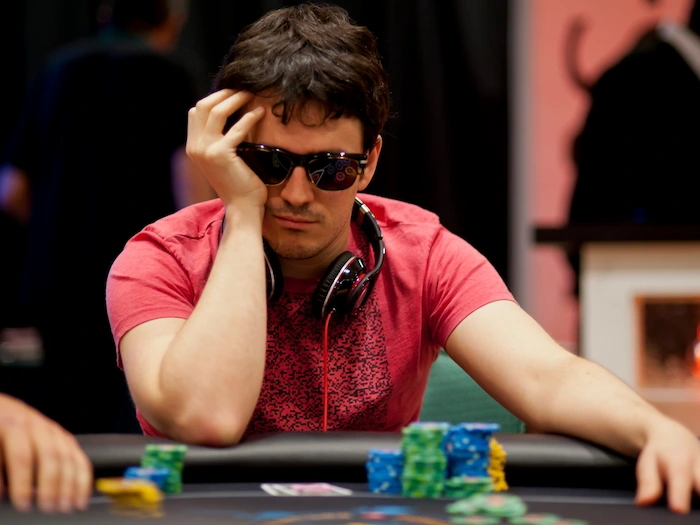
In 2012, PokerStars signed Haxton to its Team Online roster. The deal gave him a patch, a platform and a salary to represent the world’s largest poker site at a time when online sponsorships were still coveted.
Haxton was a natural fit. He was already one of the site’s highest-volume high-stakes regulars, and his intellectual reputation gave PokerStars a credible ambassador for the serious grinder demographic.
Why did Isaac Haxton leave PokerStars?
In late 2015, PokerStars eliminated its Supernova Elite loyalty tier without warning. Players who had spent nearly a full year grinding towards the status, expecting it to pay out the following year, were left with nothing.
Haxton did not stay quiet. He resigned from Team PokerStars Pro in protest, publishing his reasons on the TwoPlusTwo poker forum in a post that was widely shared across the community.
His argument was simple: the company had broken an implicit contract with its most loyal customers. Players had made financial decisions based on the programme’s structure, and PokerStars had changed the rules after the work was already done.
Was Isaac Haxton on Team PokerStars?
Yes. Haxton was a member of Team PokerStars Online from 2012 until his resignation in late 2015 or early 2016. The exact end date varies by source, but his public resignation letter is dated December 2015.
The exit stood out because most sponsored players leave quietly when a contract expires. Haxton walked away on principle while the deal was still active, and lead PokerStars ambassador Daniel Negreanu defended the changes publicly, putting the two on opposite sides of one of poker’s most heated debates.
The Supernova controversy became a defining moment for both. Negreanu’s “more rake is better” paraphrase followed him for years. Haxton’s stance earned him lasting respect from the online grinder community.
The partypoker Years & Life as a Free Agent (2018 to Present)
After two years without a sponsor, Haxton signed with partypoker in January 2018. The site was building an aggressive roster of high-stakes talent to compete with PokerStars for the loyalty of top tournament players.
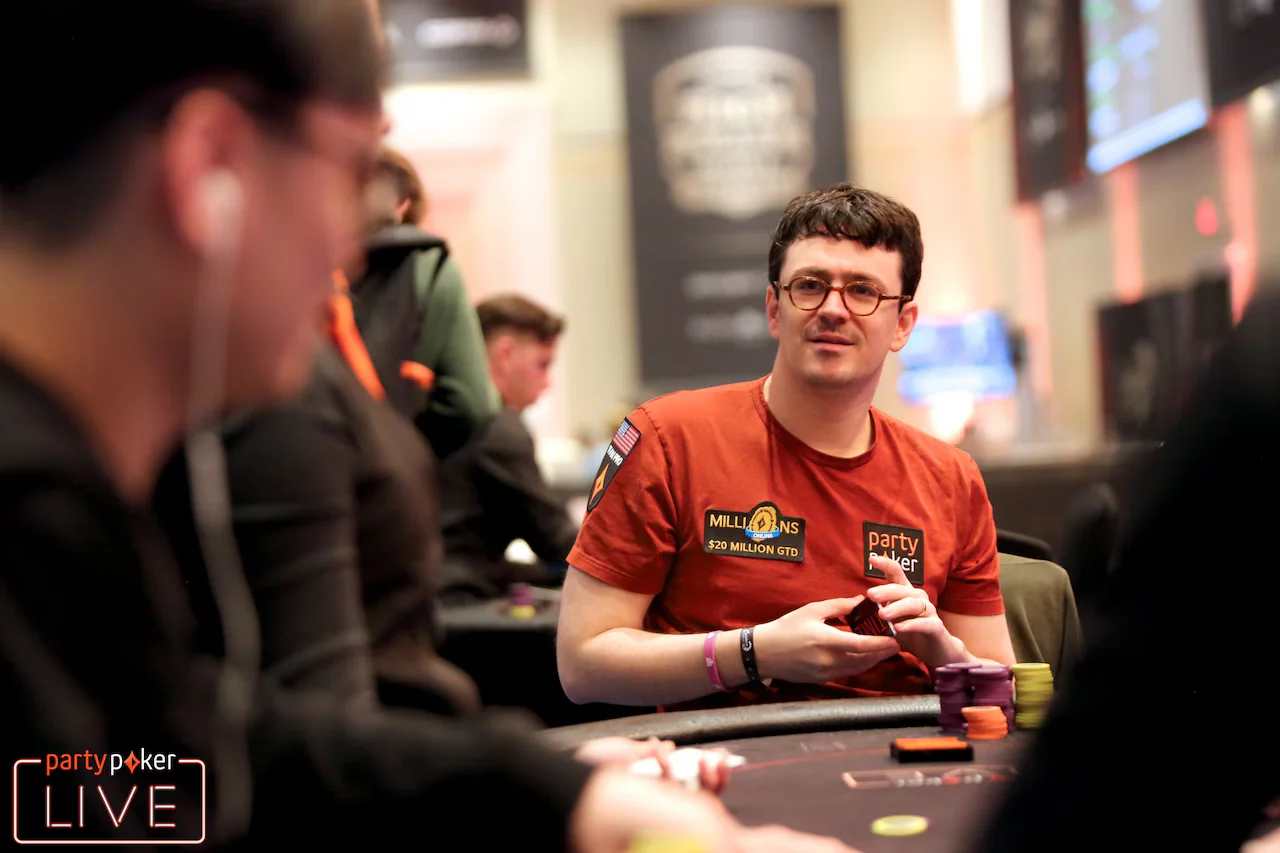
The deal paired him with 2026 Hall of Fame inductee Jason Koon, and the partypoker era coincided with some of Haxton’s biggest live results. He won Super High Roller Bowl V in December 2018, then added consistent finishes across the Triton and PokerGO Tour circuits.
- 2012 to December 2015: Team PokerStars Online, ended by his Supernova Elite resignation
- 2016 to 2017: no sponsor, playing for himself
- January 2018 to December 2021: partypoker ambassador alongside Jason Koon and Fedor Holz
- December 2021 to present: independent, no patch, no content obligations
Is Isaac Haxton still sponsored?
No. Haxton left partypoker in December 2021 and has not signed with another room since. He has been an independent professional for more than four years.
The decision was mutual and undramatic, with no public protest and no controversy.
His independence has not slowed him down. The 2023 season, his best ever, came without a sponsor, and so did his maiden Triton title in 2025.
Isaac Haxton’s coaching and study approach
Haxton has spoken publicly about using solver-based study tools to refine his game, and is known for spending as much time studying as playing.
Unlike several of his peers, he has not launched a public coaching brand or training site. His output has been limited to occasional podcast appearances and private coaching within small circles: depth over visibility, poker as a craft rather than a platform.
Signature Tournament Wins
Haxton’s career is built on results that each marked a turning point. Two Super High Roller Bowl victories bookended a five-year run. A long-awaited WSOP bracelet silenced a decade of near-misses, and a maiden Triton title ended a record of close calls no other player could match.
Super High Roller Bowl V: the career-best cash
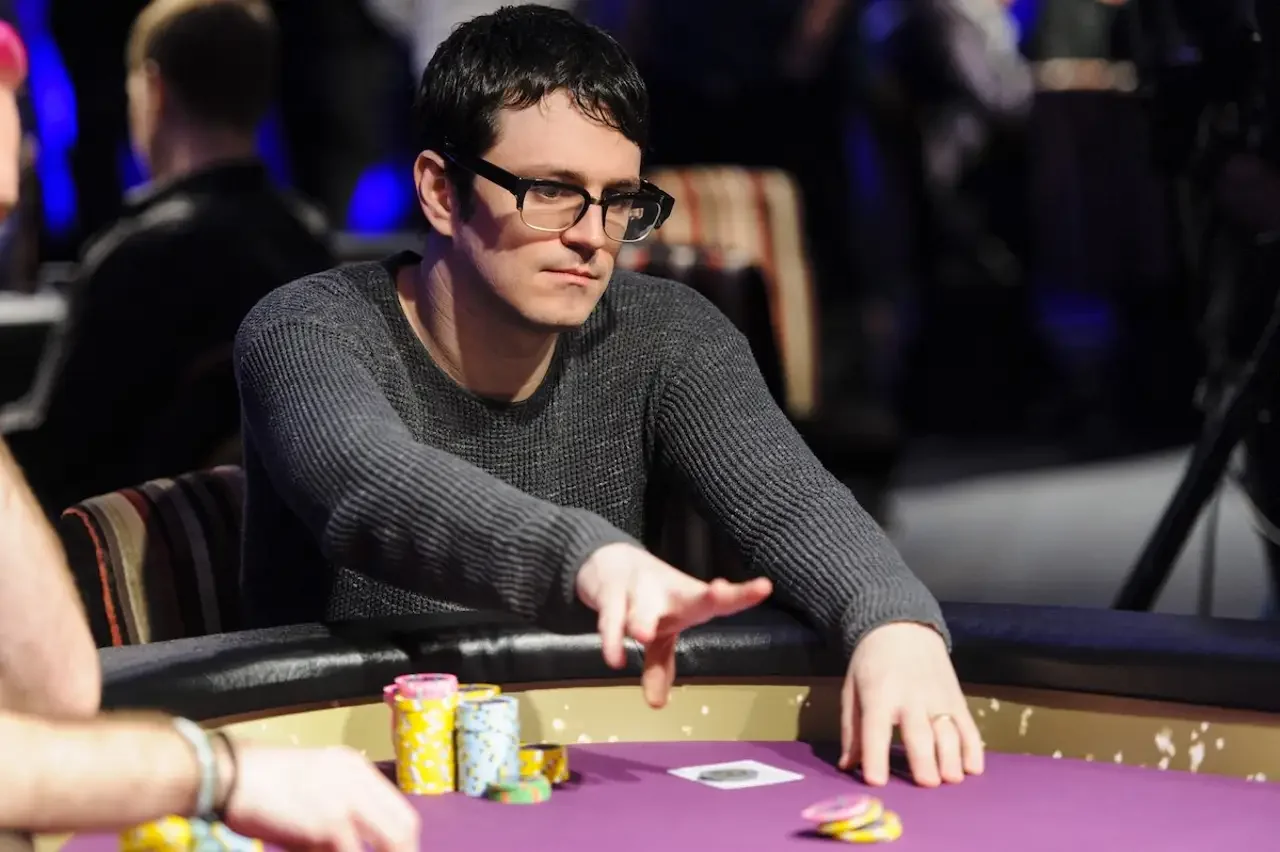
In December 2018, Haxton entered the $300,000 Super High Roller Bowl V in Las Vegas alongside 35 of the best players in the world. He entered the final day as chip leader, lost it to Alex Foxen mid-session, then took it back.
After eliminating Chidwick in third, Haxton faced two-time GPI Player of the Year Alex Foxen heads-up from behind. Pocket eights against ace-jack turned the match, and Haxton collected $3,672,000: still his largest single cash.
- Field: 36 entries at $300,000 each, December 2018, Las Vegas
- Final day: started as chip leader, with Stephen Chidwick one big blind behind
- Key knockout: Stephen Chidwick in the later stages
- Heads-up: overturned a 4,965,000 to 5,840,000 deficit against Alex Foxen, who took $2,160,000 for second
The win pushed his lifetime earnings past $23 million and confirmed his status in the super high roller elite. It was the result that separated him from a generation of talented players who had never won at this level.
The 2023 season: seven titles, one bracelet, $16 million
The 2023 campaign began in January with the PokerGO Cup $50,000 finale, then back-to-back wins at the PCA in the Super High Roller and the NLHE 7-Handed, both six-figure buy-ins. By June he had four titles, a lead in earnings and 10 final tables.
| Date | Event | Prize |
|---|---|---|
| January | $50K PokerGO Cup finale, Las Vegas | $598,000 |
| January | $100K Super High Roller, PCA | $1,082,230 |
| February | $100K NLH 7-Handed, PCA | $1,555,360 |
| March | $25K U.S. Poker Open #8, Las Vegas | $432,000 |
| May | €25K NLH, EPT Monte Carlo | $296,264 |
| June | $25K High Roller, WSOP (Bracelet) | $1,698,215 |
| September | $300K Super High Roller Bowl VIII | $2,760,000 |
In June, after years of being ranked among poker’s best players without a WSOP bracelet, Haxton won the $25K High Roller at the WSOP. Three months later he took down SHRB VIII for $2,760,000, beating Andrew Lichtenberger heads-up.
Seven titles and $16.9 million in tracked payouts made it the biggest earning year of any player in 2023. The PGT Player of the Year award followed on 2,847 points, with four qualifying wins and $7.2 million in PGT events.
Playing Style: The Socrates of GTO
Haxton is often described as the most intellectually rigorous player in modern poker. His approach is rooted in game theory optimal (GTO) principles, but he applies them with a flexibility that separates him from players who simply memorise solver outputs.
Peers consistently rank him among the hardest opponents to play against. The difficulty is not that he plays a robotic strategy. It is that he understands the theory well enough to deviate from it at exactly the right moments.
What is Isaac Haxton’s playing style?
Haxton plays a balanced, theory-driven game across both No-Limit Hold’em and Pot-Limit Omaha. He rarely gives away information through timing or bet sizing, and his table demeanour is famously unreadable.
His edge comes from study volume. Haxton has spoken on multiple podcasts about spending as many hours working with solver tools such as GTO Wizard as he does playing. That commitment to off-table preparation is a consistent theme across every interview he has given.
He is comfortable playing any format at any stake. His 2025 Triton PLO Main Event win and his NLHE bracelet in 2023 demonstrate range that few of his contemporaries can match.
- Balance first: bet sizes and timing rarely leak information, in NLHE or PLO
- Solver literacy: uses tools to question strategy, not to memorise it
- Format range: titles in NLHE, PLO and Short Deck, from $10K events to $300K Super High Roller Bowls
Why is Haxton called the Socrates of GTO?
The label reflects Haxton’s reputation for questioning first principles rather than accepting received wisdom. Where most professionals use solvers to find answers, Haxton uses them to find better questions.
He has described his philosophy in terms that sound more like academic inquiry than card-playing. On the Thinking Poker podcast, he framed poker decisions as exercises in applied epistemology: how do you act rationally when the information is always incomplete?
That mindset explains why his game has aged so well. Players who memorise static solutions lose their edge when the meta shifts. Players who understand the reasoning behind the solutions can adapt.
The white mask worn since 2020
Since the Covid pandemic in 2020, Haxton has worn a white face mask at every live event. The choice has drawn attention, commentary and occasional criticism from other professionals.
In February 2024 Phil Hellmuth told Haxton to remove the mask, calling it “a tactic and a strategy” and suggesting Haxton might be a “tell box” without it. Haxton has not responded publicly to Hellmuth’s comments.
Whether the mask is a strategic tool, a health precaution or simply a personal preference, it has become part of his identity at the table. It also serves as an unintentional test of who in the poker world respects individual autonomy and who does not.
- Full Tilt era: $100/$200 and higher no-limit cash games in the pre-Black Friday nosebleeds
- Macau: private high-stakes rooms where pots regularly pass $1 million
- Triton side games: cash tables running alongside the tour's $25K to $200K events
Full Tilt nosebleeds and Macau cash games
Haxton’s reputation was built in cash games before tournaments made him famous. During the Full Tilt Poker era, he was a regular at $100/$200 and above, competing in the same nosebleed lineups that defined that generation of online poker.
Since relocating overseas, he has been a consistent presence in Macau’s private high-stakes rooms and at the Triton side game tables. These sessions run at stakes most professionals never encounter.
Unlike tournaments, no public record exists for cash game results. When players sit down at these tables, the outcomes stay in the room. Any estimate of Haxton’s total career winnings is incomplete without this data.
Public Positions & Controversies
Haxton is one of the least controversial figures in high-stakes poker. He has no criminal record, no cheating allegations and no history of public feuds. What controversy exists around him tends to involve principled stances rather than personal conduct.
The Negreanu angle-shoot dispute (2025 WSOP Main Event)
During the 2025 WSOP Main Event, Haxton tanked for approximately six minutes on a straightforward decision near a pay jump. Daniel Negreanu called it scummy stalling in his daily vlog, arguing that there was no legitimate decision to make.
- The spot: pocket threes against ace-king, Haxton never folding, roughly six minutes of tanking
- The pay jump: $15,000, from $70,000 to $85,000, at the 2025 WSOP Main Event
- The accusation: Negreanu called it "scummy stalling" and a form of soft collusion
- The response: Haxton did not reply publicly; the community split on whether it was within the rules
Negreanu’s point was that everyone at the table benefits from a stall, making it a form of soft collusion. The poker community was divided: some argued the tactic was within the rules, others agreed it was bad for the game, particularly from a player of Haxton’s stature and bankroll.
The Charles Murray podcast controversy
In 2018, Haxton drew criticism after publicly warning against platforming Charles Murray, a political scientist whose work on race and intelligence has been widely condemned. The dispute played out on social media and divided opinion in the poker community.
Haxton’s position was that promoting Murray’s ideas without adequate context caused harm. Critics accused him of attempting to police what other people could discuss. The episode was brief and did not escalate beyond social media exchanges.
RTA tools, Supernova Elite and game integrity
Beyond specific incidents, Haxton has occasionally spoken about game integrity, player protections and the responsibility of poker rooms to their customers. His Supernova Elite resignation remains the most visible example.
He has also commented on the rise of real-time assistance (RTA) tools and the threat they pose to online poker. His positions tend to be measured and policy-focused rather than personal or inflammatory.
Haxton’s public profile on these issues is notably restrained compared to peers who use social media as a daily commentary platform. When he speaks, it carries weight precisely because he does it so rarely.
Personal Life
Haxton is intensely private. He does not share personal details on social media, rarely discusses his home life in interviews, and has maintained clear boundaries between his public poker career and his private world for more than 20 years.
Is Isaac Haxton married?
Yes. Isaac Haxton married his wife Zoe in 2011. The couple met at Brown University during his time as an undergraduate, and they have been together since.
They have lived in multiple countries to accommodate Haxton’s tournament schedule, including Malta, Hong Kong and Vancouver. Hendon Mob lists his residence as St Julian’s, Malta, the country he first moved to after Black Friday.
Who is Zoe Haxton?
Zoe Haxton keeps an even lower profile than her husband. She has no public poker career or social media presence, which is why so little verified information about her exists.
What is known comes from Haxton himself and from his father’s memoir: the couple met at Brown, married in 2011, and have moved country several times together as the tournament calendar dictated.
Isaac Haxton’s family and background
Haxton was raised in Syracuse, New York by his mother, a psychiatrist, and his father, Brooks Haxton. Brooks is a published poet and English professor at Syracuse University whose work has been recognised with multiple fellowships.
In 2015, Brooks Haxton published Fading Hearts on the River, a memoir about his son’s poker career. The book offers a rare parental perspective on a child choosing professional poker over a conventional academic path.
- Joe Rogan Experience #526 (2014): his childhood, his father's reaction to poker, and game theory
- Thinking Poker podcast: poker decisions framed as applied epistemology
- Chessfeels podcast #35: the overlap between chess thinking and poker decisions
- Fading Hearts on the River (2015): his father Brooks Haxton's memoir about his son's career
Haxton has no public social media presence beyond his Twitter account (@ikepoker), which he uses sparingly. He has described himself in interviews as “a boring person” who mostly reads and plays games on his computer when he is not at the table.
Chess, Joe Rogan and life away from the tables
Chess remains a lifelong interest, and Haxton features in our ranking of chess players who play poker. He still plays recreationally and has appeared on the Chessfeels podcast (episode 35) to discuss the overlap between chess thinking and poker decision-making.
He appeared on the Joe Rogan Experience (episode 526) in 2014, covering his childhood, his father’s reaction to the poker career, and his views on game theory.
In an industry full of personal brands and content plays, his absence from that world is itself a defining trait.
Latest News & Updates
Haxton’s 2026 has been a year of deep runs without a title. He finished runner-up to Austin Ang in the Triton ONE $15,000 High Roller in March for $940,000, then added a $600,000 third place in the $75K PLO at Triton Jeju.
May brought two EPT Monte Carlo final tables and a $635,000 ninth in the $200,000 Triton Invitational in Montenegro. Hendon Mob records no cash from the 2026 WSOP, a summer he had entered with 54 WSOP-branded results behind him.
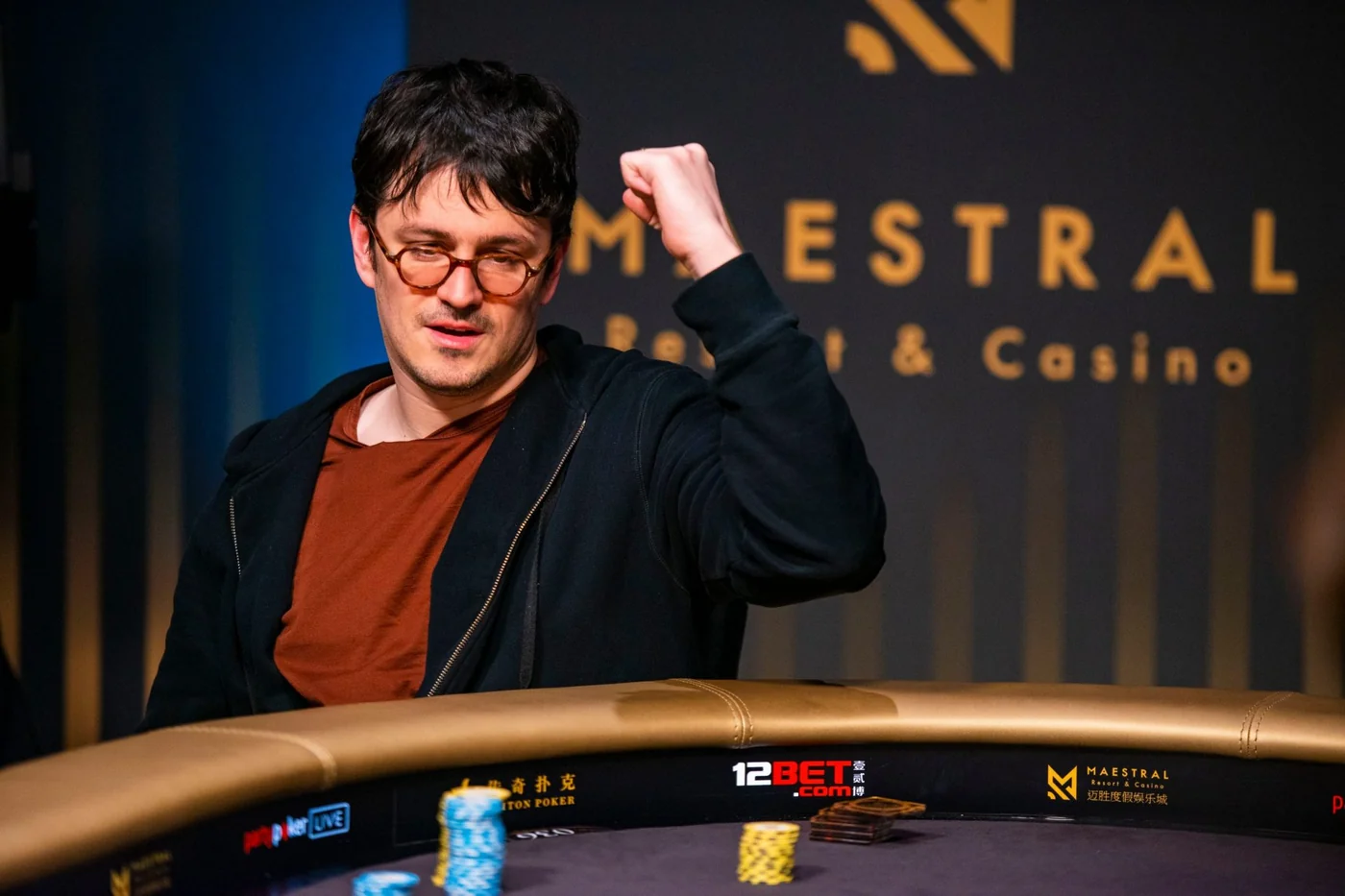
September was the turning point. A $515,000 third place in the $25K Golden Decade event at Triton Jeju II lifted him past Justin Bonomo into sixth on the all-time money list, and a week later he finished sixth in the Main Event Nick Schulman won for $958,000.
| Date | Event | Result | Prize |
|---|---|---|---|
| 13 Mar 2026 | $15K Triton ONE High Roller, Jeju | 2nd | $940,000 |
| 31 Mar 2026 | $75K PLO 6-Handed, Triton Jeju | 3rd | $600,000 |
| 5 May 2026 | €25K NLH, EPT Monte Carlo | 4th | $191,520 |
| 19 May 2026 | $200K Triton Invitational, Montenegro | 9th | $635,000 |
| 6 Sep 2026 | $25K Golden Decade, Triton Jeju II | 3rd | $515,000 |
| 14 Sep 2026 | $100K NLH Main Event, Triton Jeju II | 6th | $958,000 |
Source: Hendon Mob Poker Database, snapshot 28 September 2026. Largest six of his 2026 cashes shown.
Hendon Mob now ranks him sixth for career earnings and 23rd on the Global Poker Index. WSOP Paradise in December is the likeliest place for cash number 271, and our latest live tournament news coverage will carry his results.
FAQs
What is Isaac Haxton's net worth?
Isaac Haxton’s net worth is estimated at $30 million to $45 million in 2026. The figure is an estimate, based on $66.8 million in tracked live tournament earnings, two known sponsorship deals and unverified private cash game results.
How much has Isaac Haxton won in poker?
Haxton has earned more than $66.8 million in tracked live tournament cashes across 270 results, sixth on the all-time money list (Hendon Mob, 28 September 2026). He has also earned over $2 million from online poker under the aliases “luvtheWNBA” and “philivey2694.”
Where does Isaac Haxton rank on the all-time money list?
Sixth. Only Bryn Kenney, Stephen Chidwick, Jason Koon, Adrian Mateos and Mikita Badziakouski have won more in live tournaments. Haxton passed Justin Bonomo with a $515,000 third place at Triton Jeju II on 6 September 2026.
How many WSOP bracelets does Isaac Haxton have?
One. Haxton won his first WSOP bracelet in 2023, taking down the $25,000 High Roller No-Limit Hold’em 8-Handed event for $1,698,215 from a record 301-entry field.
Is Isaac Haxton married?
Yes. Haxton married his wife Zoe in 2011. The couple met at Brown University and have lived in Malta, Hong Kong and Vancouver to accommodate his poker career.
Where does Isaac Haxton live?
Hendon Mob lists his residence as St Julian’s, Malta. He first relocated there after Black Friday in 2011 and has also spent periods in Hong Kong and Vancouver.
How old is Isaac Haxton?
Isaac Haxton is 41 years old, born on September 21, 1985 in Syracuse, New York.
Did Isaac Haxton go to Brown University?
Yes. Haxton enrolled at Brown to study computer science, left to play poker professionally, and later returned to complete a degree in Philosophy.
When did Isaac Haxton win his first Triton title?
Haxton won his first Triton title in September 2025, taking down the $100,000 PLO Main Event at Triton Jeju for $2,789,000. It was his 34th Triton final table after 64 cashes and six runner-up finishes.
Is Isaac Haxton still sponsored?
No. Haxton left partypoker in December 2021 and has been an independent professional since. He was previously with PokerStars (2012 to 2015) and partypoker (2018 to 2021).
What is Isaac Haxton's real name?
His full name is Isaac Blum Haxton. He is commonly known as “Ike” and sometimes called “Hollywood Haxton.”
Why does Isaac Haxton wear a mask?
Haxton has worn a white face mask at live events since 2020. He has not publicly stated whether the choice is medical, strategic or personal. Phil Hellmuth has suggested it may give Haxton a tactical advantage by hiding tells.
What are Isaac Haxton's online screen names?
Haxton played under “luvtheWNBA” on PokerStars, “philivey2694” on Full Tilt Poker, and “Ike_Haxton” on partypoker.
Is Isaac Haxton a chess player?
Yes. Haxton learned chess at the age of four and competed as a youth champion. He still plays recreationally and has discussed the chess-poker overlap on the Chessfeels podcast (episode 35).
Sources & Methodology
This profile was researched and written by the VIP-Grinders editorial team. All tournament earnings, cashes and rankings are sourced from the Hendon Mob Poker Database unless otherwise stated. WSOP bracelet counts and cashes are cross-referenced with WSOP.com official records.
How we handle ‘net worth’
Net worth estimates on VIP-Grinders are clearly labelled as estimates. We provide a range rather than a point estimate to reflect the inherent uncertainty of private finances in poker.
How we report earnings
Live tournament earnings are gross payouts as recorded by the Hendon Mob Poker Database. They do not account for buy-in costs, staking arrangements, travel expenses or taxes. We state this caveat explicitly in every profile.
How we cover controversies
Controversies are reported factually and with both sides presented where applicable. Allegations are identified as allegations, findings as findings, and opinions as opinions.
References
- The Hendon Mob: Isaac Haxton's tracked live tournament statistics and results
- Twitter: @ikepoker official account
- Triton Poker: official Triton Super High Roller Series site
- Book: Brooks Haxton, Fading Hearts on the River: A Life in High-Stakes Poker (2015)